Kalettes, Conventional - BC
Kalettes, Conventional - BC
Couldn't load pickup availability
BC-Grown Kalettes — 0.5 lb
What happens when you cross kale with Brussels sprouts? You get Kalettes!
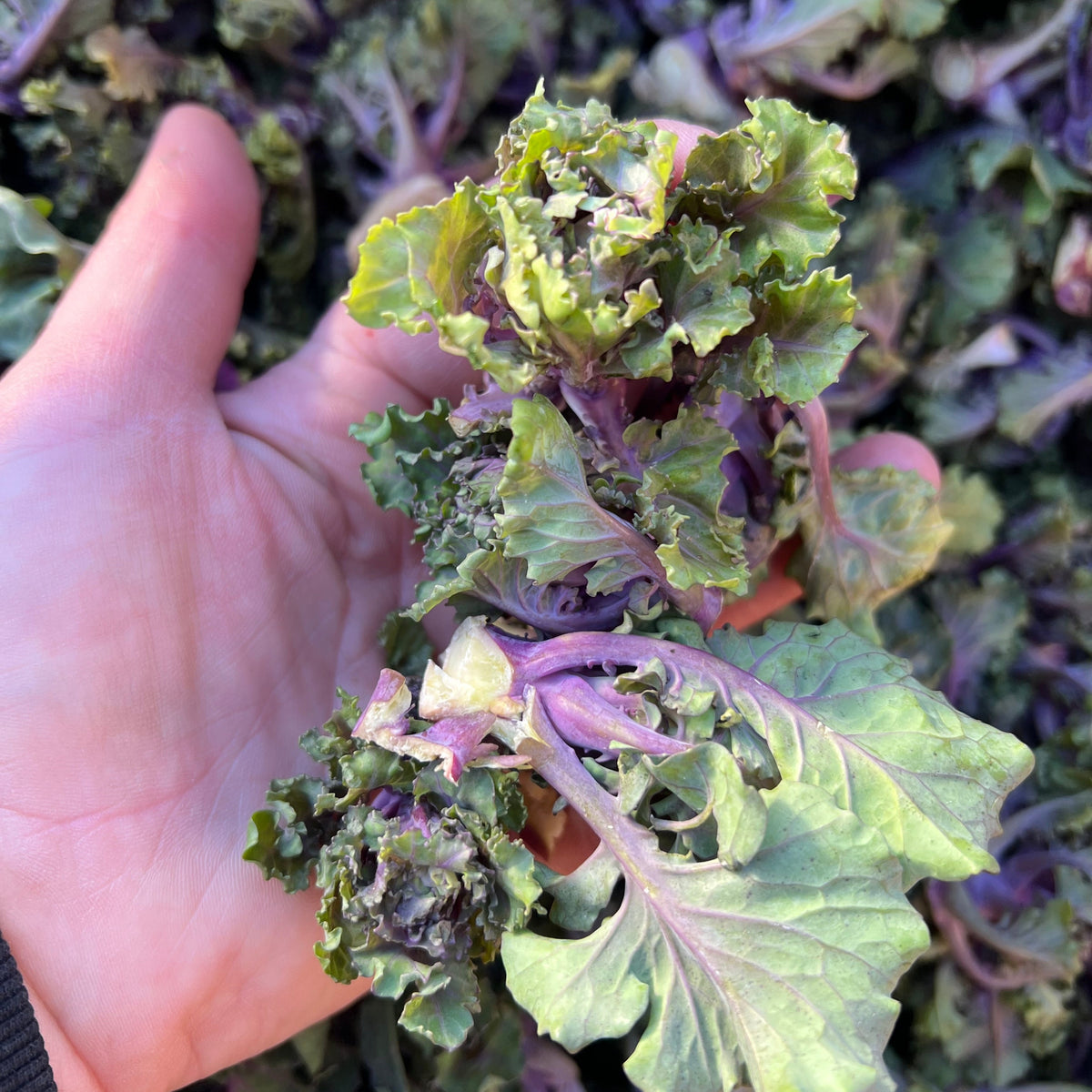
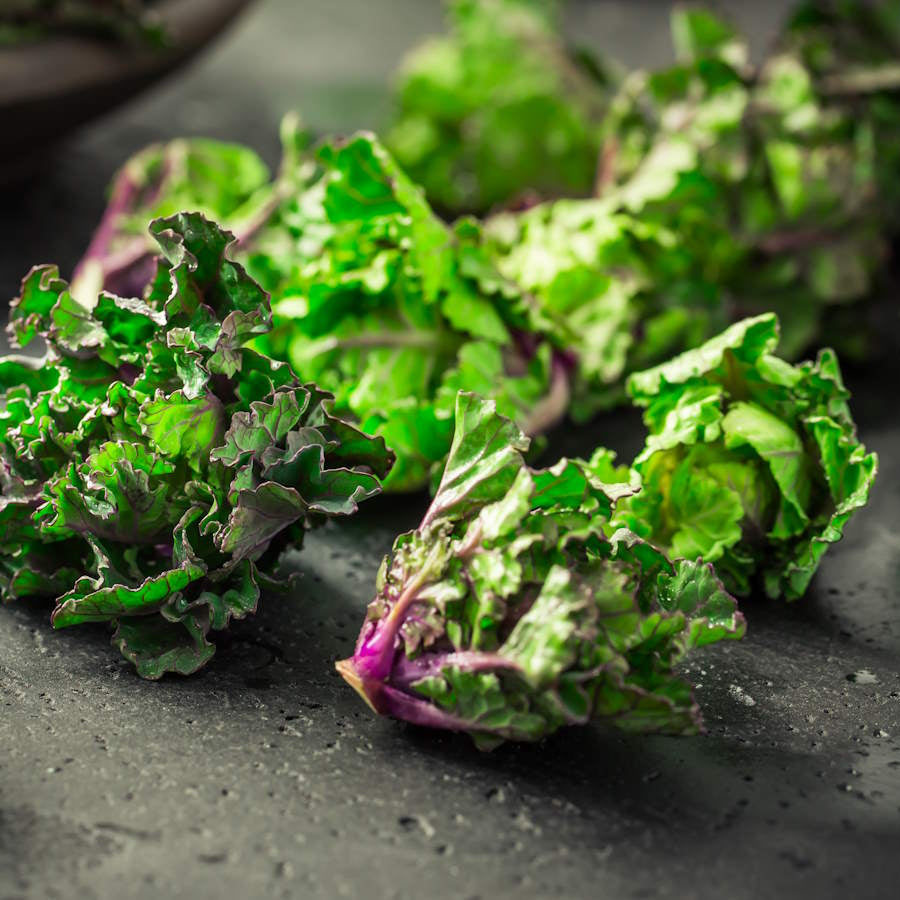
These unusual little vegetables look like miniature kale plants growing along a Brussels sprout stalk. They have pretty, frilly green and purple leaves, a tender centre, and a mild, nutty flavour that's slightly sweeter than either of their parent vegetables.
Our Kalettes are grown in BC's Lower Mainland and sold in a 0.5 lb bag. They're a fun way to bring something a little different to your fall and winter cooking.
Why You'll Love Them
-
Grown in BC's Lower Mainland
-
A cross between kale and Brussels sprouts
-
Mild, nutty and slightly sweet flavour
-
Tender leaves with a satisfying bite
-
Delicious roasted, sautéed or eaten raw
-
No peeling or complicated preparation required
-
Sold in a 0.5 lb bag
Great For
Roasting, sautéing, stir-fries, warm salads, grain bowls, pasta, soups and simple vegetable side dishes.
Our favourite way to prepare them is roasting. Toss whole Kalettes with olive oil and salt, spread them on a baking sheet and roast at 425°F (220°C) for approximately 10–15 minutes, turning once, until the leaves are crispy around the edges and the centres are tender.
Finish with a squeeze of lemon, a little Parmesan or a drizzle of balsamic vinegar.
You can also quickly sauté them with garlic and butter, or shred them into a raw salad.
Storage
Store Kalettes in the refrigerator's crisper drawer, ideally in a bag or container that helps prevent them from drying out.
Keep them unwashed until you're ready to cook. Like other leafy brassicas, they're best enjoyed while fresh.
Build Your Basket
Pair with garlic, lemon and Parmesan for a simple roasted side dish, or add potatoes, onions and squash for a hearty sheet-pan dinner.
Kalettes are also delicious with bacon, mushrooms, walnuts, apples and a little maple syrup.
Good to Know
Kalettes aren't genetically modified—they were developed through traditional plant breeding.
Plant breeders crossed kale and Brussels sprouts over many years to create a vegetable with the leafy appearance of kale and the growing habit of Brussels sprouts.
Instead of forming tight little cabbage-like heads, Kalettes grow as open, frilly rosettes along a tall stalk.
And like many members of the cabbage family, cool weather can bring out their sweetness. That's one reason these vegetables are particularly well suited to fall growing.
How to Stretch This
The whole little rosette is edible, including the tender central stem, so there's very little trimming required. Simply remove any particularly tough or discoloured stem ends.
If you have a handful left after dinner, chop them into a stir-fry, add them to soup or sauté them with eggs for breakfast.
Kalettes that are starting to wilt are still excellent cooked. A quick sauté with garlic and olive oil is often all they need.
0.5 lb Bag • Conventionally Grown • Lower Mainland, BC • Kalettes
Share